

 Post by
 In the realm of construction, scaffolding stands tall—both literally and figuratively—as a critical component in shaping our cities and structures. Whether you’re constructing towering skyscrapers, restoring historical landmarks, or even just painting a multi-story building, scaffolding provides the necessary support, safety, and access that make it all possible. But what exactly is scaffolding, and why is it so vital to the construction industry?
What is Scaffolding?
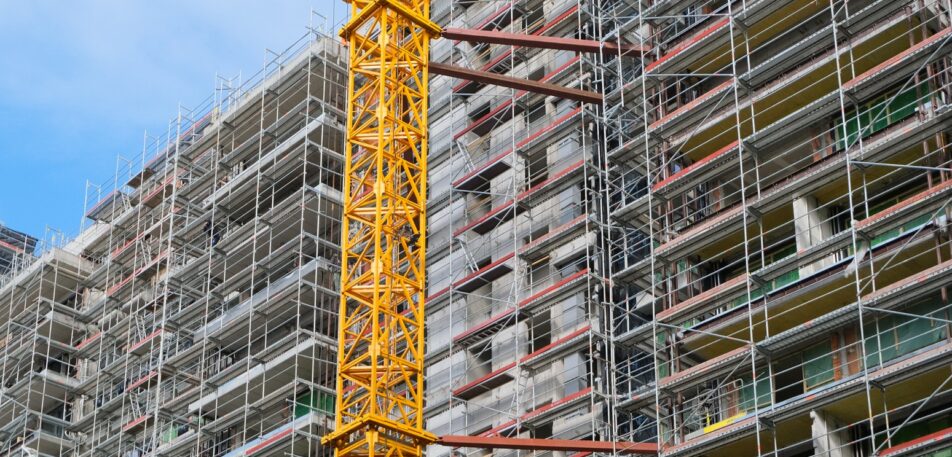
Scaffolding is a temporary framework used to support workers and materials during the construction, repair, or maintenance of buildings and other large structures. It typically consists of metal pipes or tubes, wooden planks, and other components that are assembled on-site to create a safe working platform.
There are several types of scaffolding used in the industry, including:
-
Supported Scaffolding – Built from the ground up and the most common type.
-
Suspended Scaffolding – Hung from the top of a building, often used for high-rise window cleaning or repairs.
-
Rolling Scaffolding – Mounted on wheels, allowing for mobility on flat surfaces.
-
Cantilever Scaffolding – Supported on a series of needles fixed through walls, ideal where the ground cannot support scaffolding.
The Role of Scaffolding in Construction
-
Safety First
Construction is one of the most hazardous industries. Scaffolding provides a stable and secure platform for workers to operate, reducing the risk of falls, injuries, and fatalities. Properly installed scaffolding is compliant with safety regulations and greatly enhances on-site safety. -
Improved Efficiency
With scaffolding, workers can easily access hard-to-reach areas, leading to faster and more efficient construction or repair work. It allows for multiple workers to operate simultaneously on different levels, improving productivity. -
Versatility and Accessibility
Modern scaffolding systems are adaptable and can be customized to fit various architectural designs, elevations, and structures. This flexibility makes scaffolding an essential tool for all types of projects—from bridges and tunnels to churches and commercial buildings. -
Support for Heavy Loads
Scaffolds are designed to carry not only the weight of workers but also tools, equipment, and building materials. This strength ensures a smoother workflow as materials are readily available at the point of use.
Innovations in Scaffolding
Over the years, scaffolding has evolved to meet the changing demands of construction. Aluminum and fiberglass scaffolds offer lightweight, rust-resistant alternatives to traditional steel. Modular scaffolding systems allow for faster assembly and disassembly. Moreover, digital tools like Building Information Modeling (BIM) are now being used to plan scaffolding layouts for increased safety and efficiency.
Conclusion
Scaffolding may be temporary, but its impact on construction is permanent. It ensures the safety of workers, enhances the quality of work, and speeds up the overall process. Whether it’s a towering city landmark or a small neighborhood structure, scaffolding plays a silent yet vital role in building the world around us.
So next time you see a scaffold-clad structure in your city, take a moment to appreciate the unseen framework that’s literally holding it all together.