

 Post by
 In the construction world, scaffolding is much more than a simple structure of pipes and planks—it’s the unsung hero that supports every brick, beam, and builder. No matter how advanced the construction techniques become, scaffolding remains a timeless and indispensable part of the process. But why is scaffolding so essential, and what makes it a cornerstone of modern-day construction?
What Makes Scaffolding So Important?
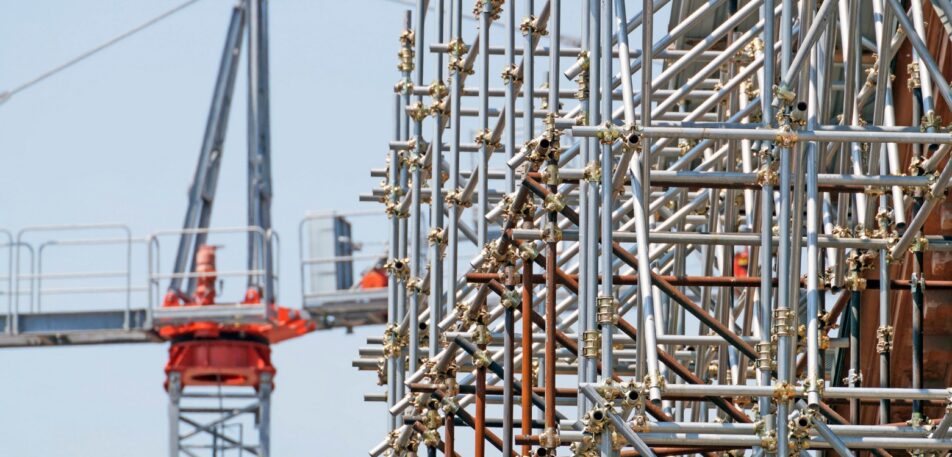
Scaffolding is a temporary structure used to provide access, support, and safety for workers performing tasks at height or in hard-to-reach areas. It serves as a working platform for activities like bricklaying, plastering, painting, repairing, and installing heavy materials. Let’s dive into the reasons that make scaffolding a necessity:
1. Enhanced Worker Safety
Safety is paramount in construction, and scaffolding plays a crucial role in protecting workers. It provides a stable and secure platform, complete with guardrails and safety nets, to prevent falls and accidents. With strict regulations and safety standards in place, quality scaffolding ensures compliance and peace of mind for both workers and project managers.
2. Access to Difficult Areas
Tall buildings, curved facades, and intricate designs often make certain areas hard to reach. Scaffolding allows workers to access these spaces with ease, regardless of the building’s shape or height. Its customizable structure can be tailored to fit even the most complex architectural needs.
3. Increased Productivity
When workers feel safe and have easy access to their work areas, their efficiency naturally improves. Scaffolding allows multiple workers to operate on different levels simultaneously, cutting down project time and boosting overall productivity.
4. Flexibility and Reusability
Modern scaffolding systems are designed for flexibility. They can be quickly assembled and disassembled, transported to different sites, and reused for various projects. This not only saves time but also reduces costs in the long run.
5. Strong Support for Materials
Scaffolding isn’t just for workers—it also supports tools, equipment, and construction materials. This keeps everything within reach, reducing unnecessary movements and improving workflow on-site.
Types of Scaffolding in Use Today
There are different types of scaffolding depending on the nature of the construction work:
-
Single Scaffolding – Used for brick masonry.
-
Double Scaffolding – Used for stone masonry.
-
Steel Scaffolding – Durable and fire-resistant; common in modern projects.
-
Suspended Scaffolding – Ideal for painting and repair works on tall structures.
-
Trestle Scaffolding – Used for indoor jobs, such as painting and repairs.
Conclusion
From small-scale residential projects to high-rise commercial buildings, scaffolding is the backbone that supports construction from start to finish. It bridges the gap between ambition and achievement, enabling architects and engineers to bring their visions to life—safely and efficiently.
As we continue to build higher and smarter, the role of scaffolding remains as vital as ever. It’s not just a tool; it’s a foundation of safety, strength, and support in the ever-evolving world of construction.